








When a company outsources the production of precision turned parts, selecting the right manufacturing partner is a strategic decision. The quality of your machining supplier affects not only the accuracy and reliability of every component, but also on-time delivery and the overall efficiency of your production process. Partnering with a specialized precision machining company helps minimize the risk of nonconforming components, reduce manufacturing costs, and ensure the consistent quality required by today’s demanding industrial supply chains.
Choosing the Right Material for Precision Turned Parts
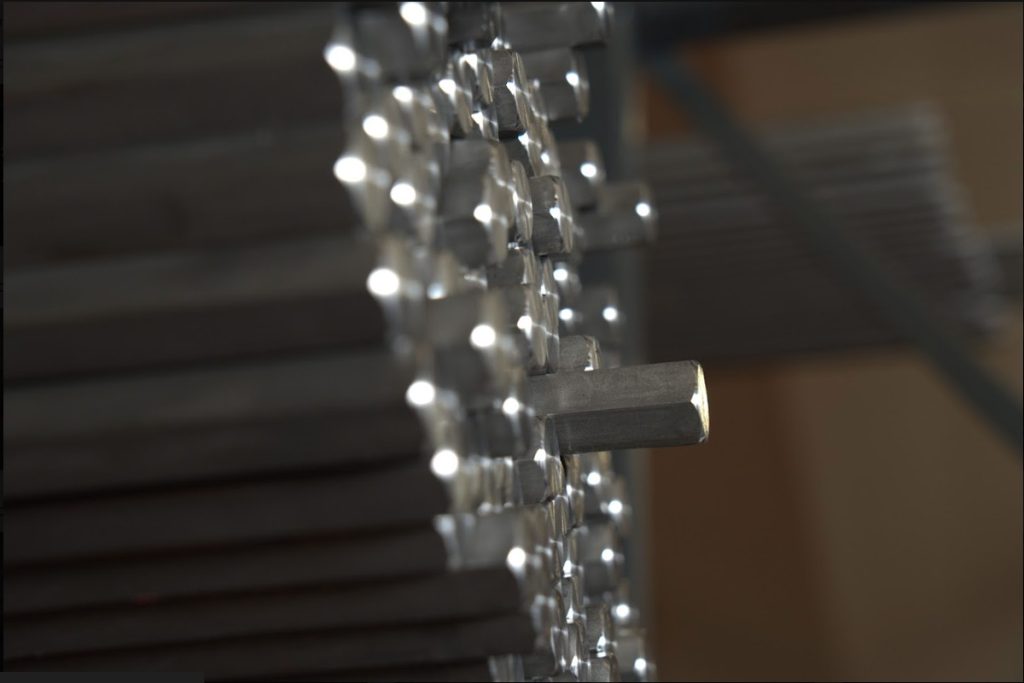
Material selection affects more than just the performance of the finished component. It also impacts process stability, tool life, and the surface finish that can be achieved. Choosing the right material for each application is a critical part of precision metal machining, requiring a thorough understanding of alloy properties and machining behavior. Different materials behave differently during machining. Free-machining steels, stainless steels, alloy steels, bronze, brass alloys, and aluminum each require specific machining parameters and strategies to achieve consistent results.
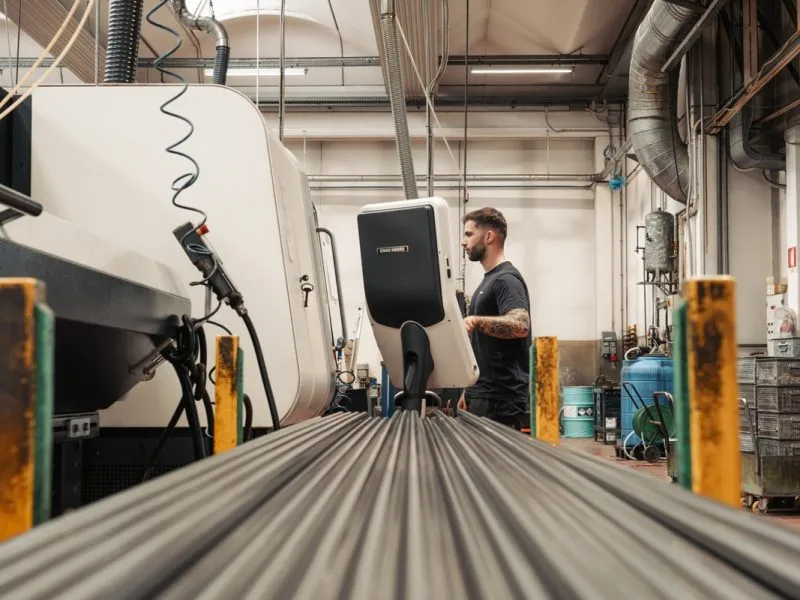
Raw material quality is just as important. Using certified, high-quality bar stock helps maintain process consistency, reduce defects, and hold tight tolerances throughout high-volume production.
From Engineering Drawings to Production Planning
Modern precision metal machining involves much more than producing parts from a technical drawing. Every stage of the manufacturing process is carefully engineered to optimize materials, machining strategies, and production methods, ensuring that every component meets customer’s specifications.
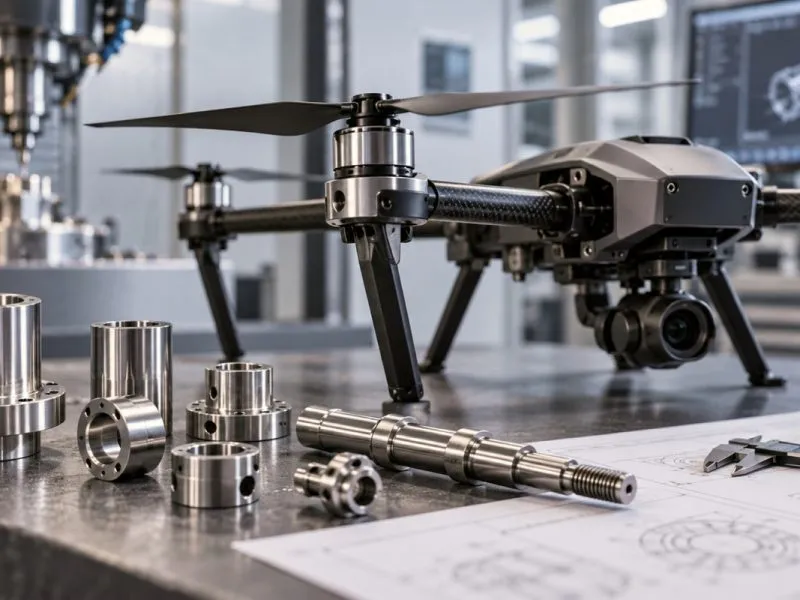
Before production begins, engineering drawings are thoroughly reviewed. Critical dimensions, tolerances, surface finish requirements, concentricity, threads, and other geometric features are analyzed to determine the most efficient machining process. This production planning phase makes it possible to select the right CNC equipment, tooling, and any custom fixturing required while optimizing the machining sequence for maximum efficiency. The objective is not only to produce parts that meet specifications, but also to establish a stable, efficient manufacturing process that minimizes scrap and delivers consistent quality. In high-volume production, this upfront engineering work plays a critical role in improving efficiency, maintaining repeatability, and controlling production costs.
Secondary Operations Complete the Component
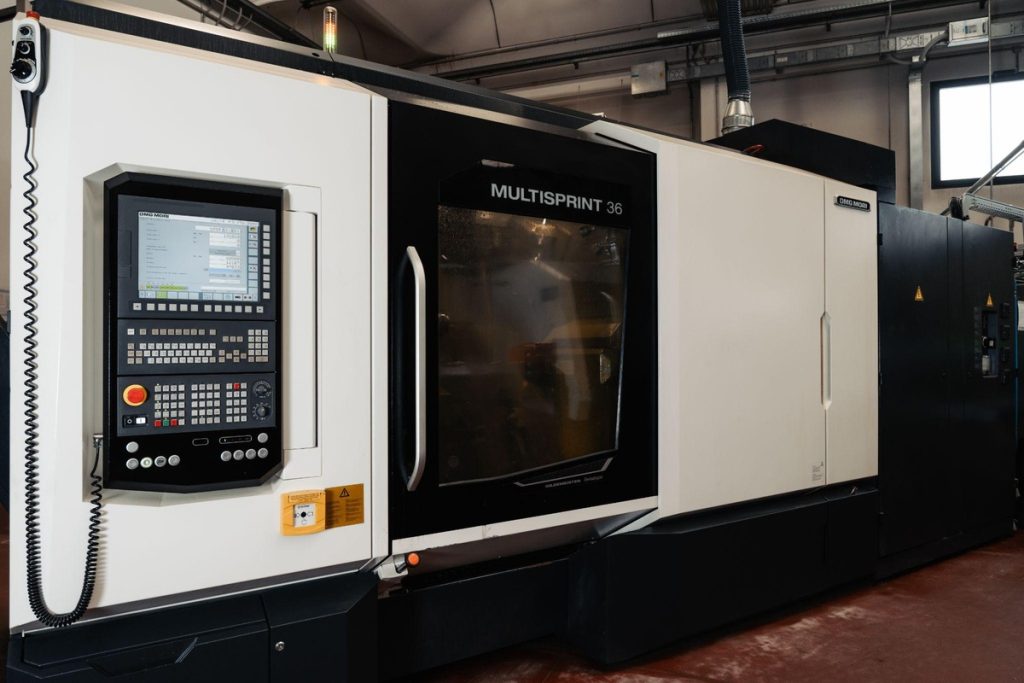
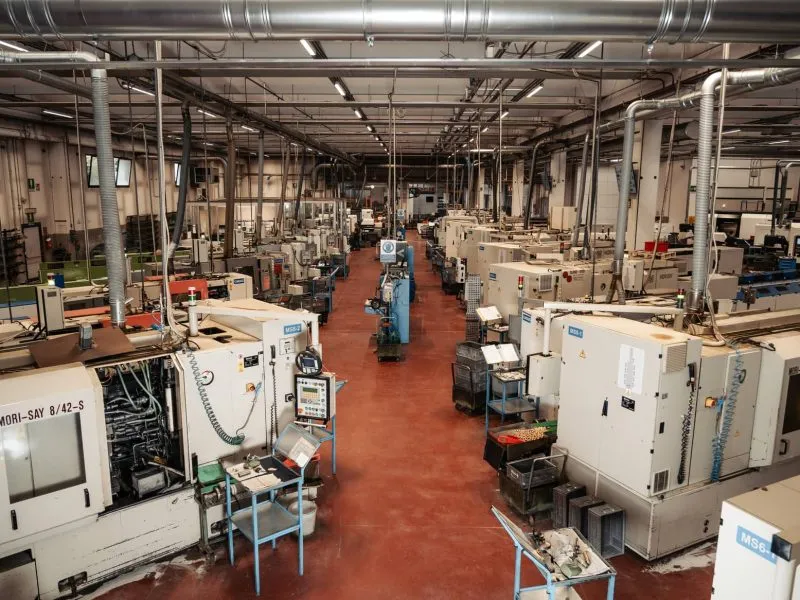
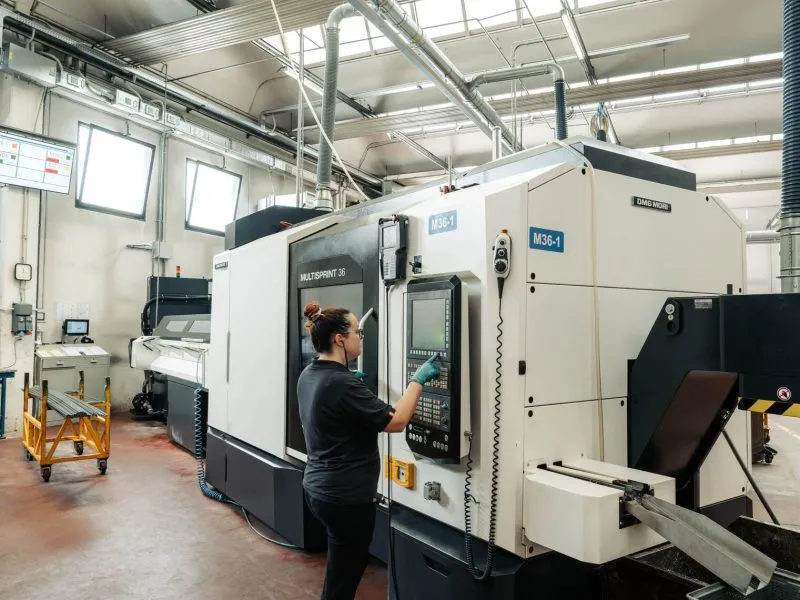
Production requirements vary depending on component complexity, production volumes, and tolerance requirements. For this reason, a precision metal machining shop typically relies on different types of equipment, each suited to specific manufacturing needs. CNC lathes offer high flexibility for producing complex components and maintaining tight tolerances even on intricate designs. Multi-spindle machines are the preferred solution for high-volume production where cycle times need to be minimized. For small-diameter parts with high length-to-diameter ratios, sliding headstock (Swiss-type) lathes are commonly used. Multi-tasking turning centers allow operations such as milling, drilling, and threading to be performed in a single setup, reducing handling time and improving dimensional accuracy.
Technologies Used in Precision Metal Machining
Turning is often only one step in the manufacturing process. Many components require additional operations to improve mechanical properties or meet specific application requirements. Heat treatments and surface treatments, cleaning and degreasing, grinding, and lapping can increase hardness, improve wear and corrosion resistance, or achieve very tight surface finish requirements.
The ability of a precision metal machining shop to coordinate these secondary processes helps reduce lead times, simplify production management, and ensure consistent quality throughout the entire manufacturing cycle.
Quality Control in Precision Metal Machining
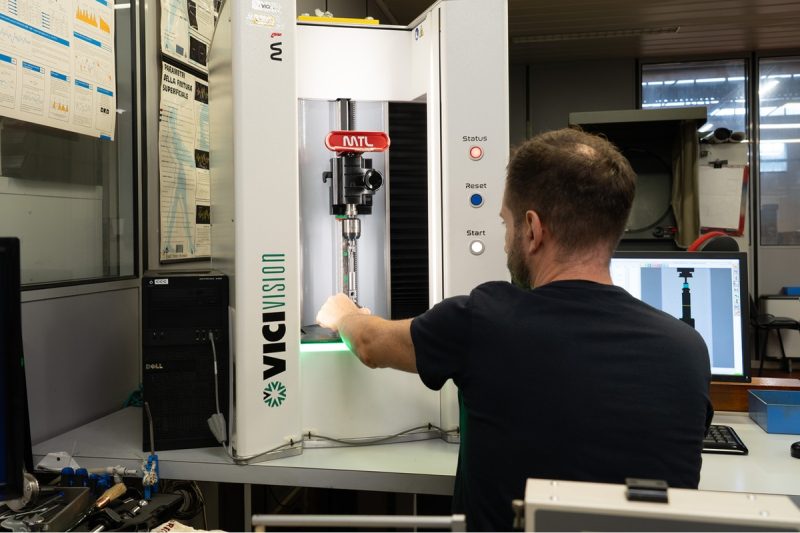
The quality of precision turned parts does not depend solely on machine accuracy. It is continuous process control that ensures dimensional consistency throughout production.
A precision metal machining shop performs regular in-process checks, monitoring tool wear, cutting parameter stability, and conformance of critical dimensions.
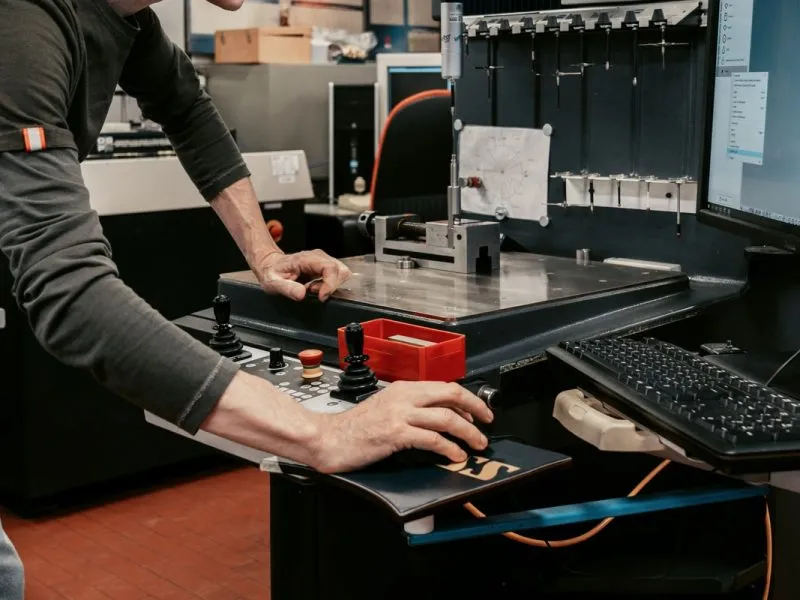
At the end of the production cycle, each batch undergoes dimensional inspection according to defined quality procedures. High-precision measuring instruments are used to verify geometric tolerances, diameters, lengths, concentricity, and surface finish requirements, ensuring full compliance with engineering drawings.
This approach reduces scrap, improves process reliability, and ensures production continuity for scheduled manufacturing runs.
Sarbo: Precision Metal Machining for High-Accuracy Applications
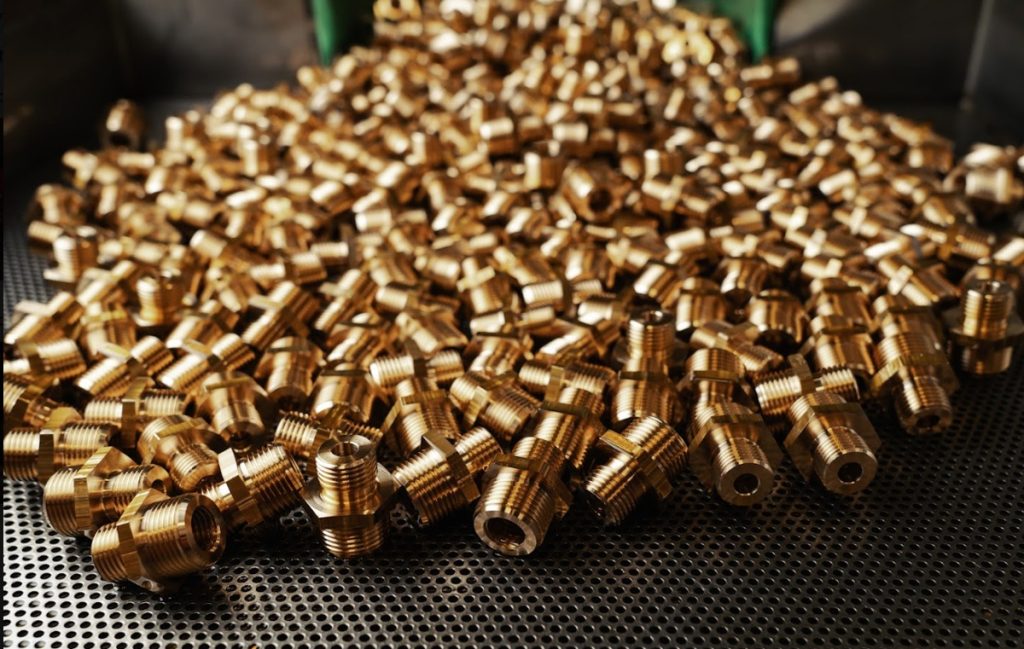
For over fifty years, Sarbo has operated as a precision metal machining company, producing precision turned components for customers in the automotive, hydraulic, pneumatic, electromechanical, and industrial sectors.
The company supports customers from the earliest stages of production planning, reviewing engineering drawings, identifying the most efficient manufacturing process, and proposing potential improvements to enhance productivity and quality. It machines brass alloys, free-machining and stainless steels, alloy steels, aluminum alloys, and bronze.
With a continuously updated machine park, strong technical know how, and an ISO 9001-certified quality system, Sarbo is a reliable partner for customers seeking precision metal machining with consistent accuracy, process stability, and production continuity—even for complex and high-demand projects.
Learn More About Our Precision Machining Operations
FAQs on Precision Metal Machining
Precision turned components can be produced using a wide range of alloys, selected based on the functional requirements of the finished part. Common materials include free-machining steels, valued for their excellent machinability; stainless steels for applications requiring corrosion resistance; alloy steels for components exposed to high mechanical stress; as well as aluminum, brass, and bronze. Material selection depends on operating conditions, required tolerances, any secondary operations, and the end-use industry.
CNC turning allows small components to be produced with high precision, repeatability, and dimensional stability. With computer numerical control, complex geometries can be machined while maintaining very tight tolerances and minimizing variation from part to part, even in high-volume production runs. In addition, machine programming helps optimize cycle times, improve productivity, and ensure consistent quality throughout the entire production process.
The main difference lies in the level of automation and process control. In a traditional machine shop, many operations depend on manual input from the operator, while a CNC machine shop uses computer-controlled equipment that follows highly precise digital programs to perform machining operations. This results in tighter tolerances, greater repeatability, shorter production times, and consistent quality even in high-volume manufacturing. CNC turning is now the most advanced and widely used technology for producing precision turned components.


 Back to top